Money, thought through slowly.
Practical personal-finance guides, written the way the rest of Slow Money is: calm, honest, and free of hype and shame. No get-rich-quick, no hustle, no jargon for its own sake — just clear help for the money situations real people actually face, and permission to move at a sensible pace.
Everything here is written by Mel G. Prosper. It's educational — general information to help you think clearly, not regulated financial advice for your particular circumstances.
How it's organised
How the Journal is organised.
Guides are grouped by the situation you're in, so you can go straight to what's relevant:
Clearing debt
How to face what you owe without panic, choose an order that protects you first, and keep going — including the thinking behind the Snowball Plus™ method.
Money later in life
Catching up, planning for retirement, and making calm decisions when the timeline feels shorter than you'd like.
Sinking funds & saving
Setting money aside for the bills that always seem to "surprise" you, so they stop knocking your plan off course.
Budgeting that sticks
Frames for your month that survive contact with real life — the kind you keep, rather than abandon by the second week.
New here?
Start with the free Starter Stack.
If the guides have you ready to actually begin, the free Slow Money Starter Stack™ walks you through the first calm steps of getting your money in order. No cost — just an email so we can send it.
The Journal is educational and reflective — general information, not regulated financial advice or a recommendation for your circumstances. If you're in financial difficulty, free and confidential debt advice will help you more than any article: StepChange, National Debtline or Citizens Advice.
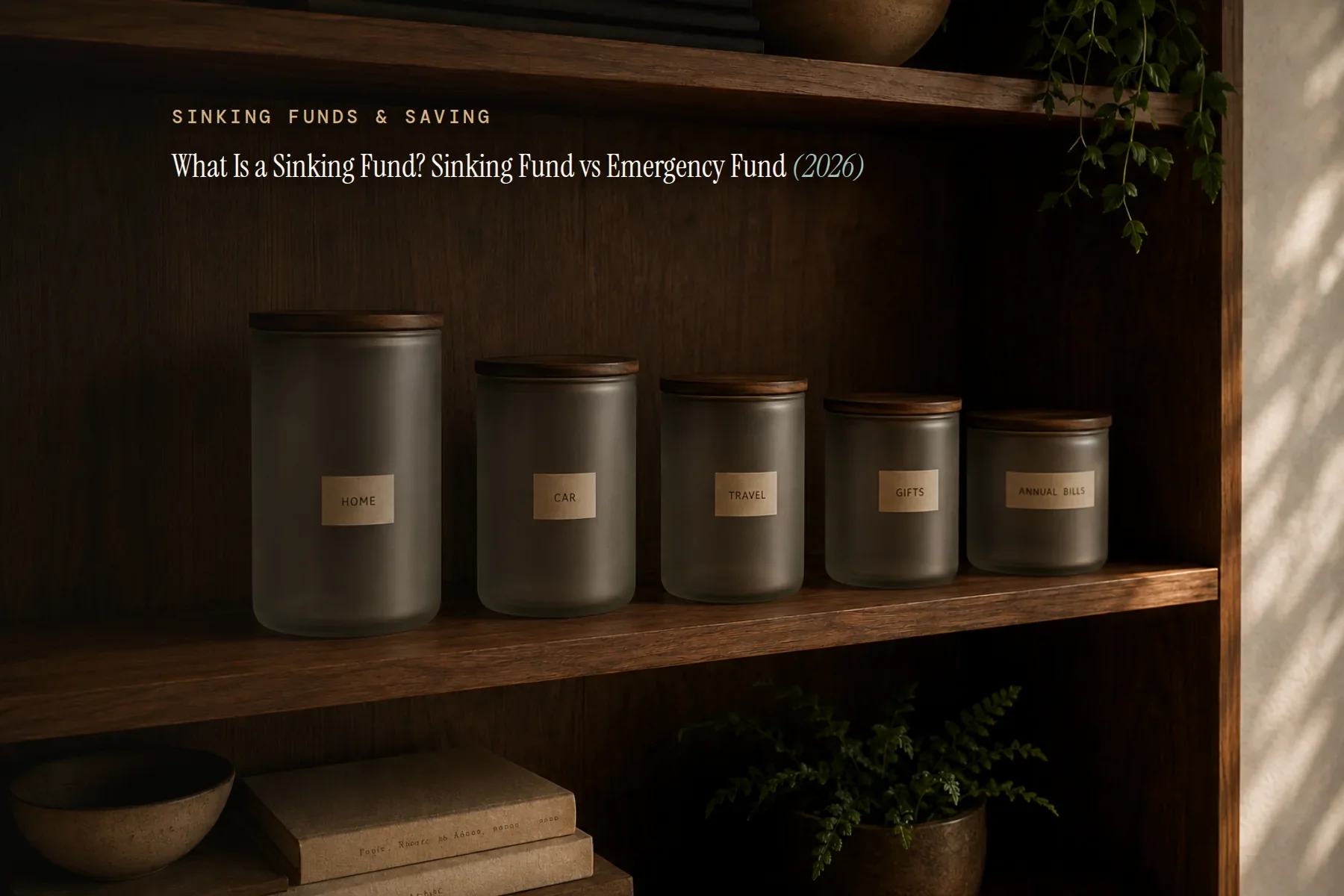
What Is a Sinking Fund? Sinking Fund vs Emergency Fund
An annual bill can be predictable and still catch you short. Give it a place in your plan with a sinking fund. Follow a complete example covering payment dates, affordable contributions, higher-than-expected bills and restarting the pot.
Underconsumption Isn't Deprivation — It's a Strategy
A grounded take on the underconsumption trend: buying less isn't a smaller life, it's a more deliberate one. The trick is giving every unspent pound a job.
Building Wealth When Money Is Tight (No Hype, No Lecture)
Most money advice assumes spare cash you don't have. A calm, realistic order for building wealth slowly when the budget is tight — stability before investing.

Why You Can’t Save Money (Even If You Try)
Sometimes there is no money left to save. Sometimes the money you saved has already done its job. Use worked budgets and a one-pay-cycle review to identify what is happening and choose a change that fits your circumstances.


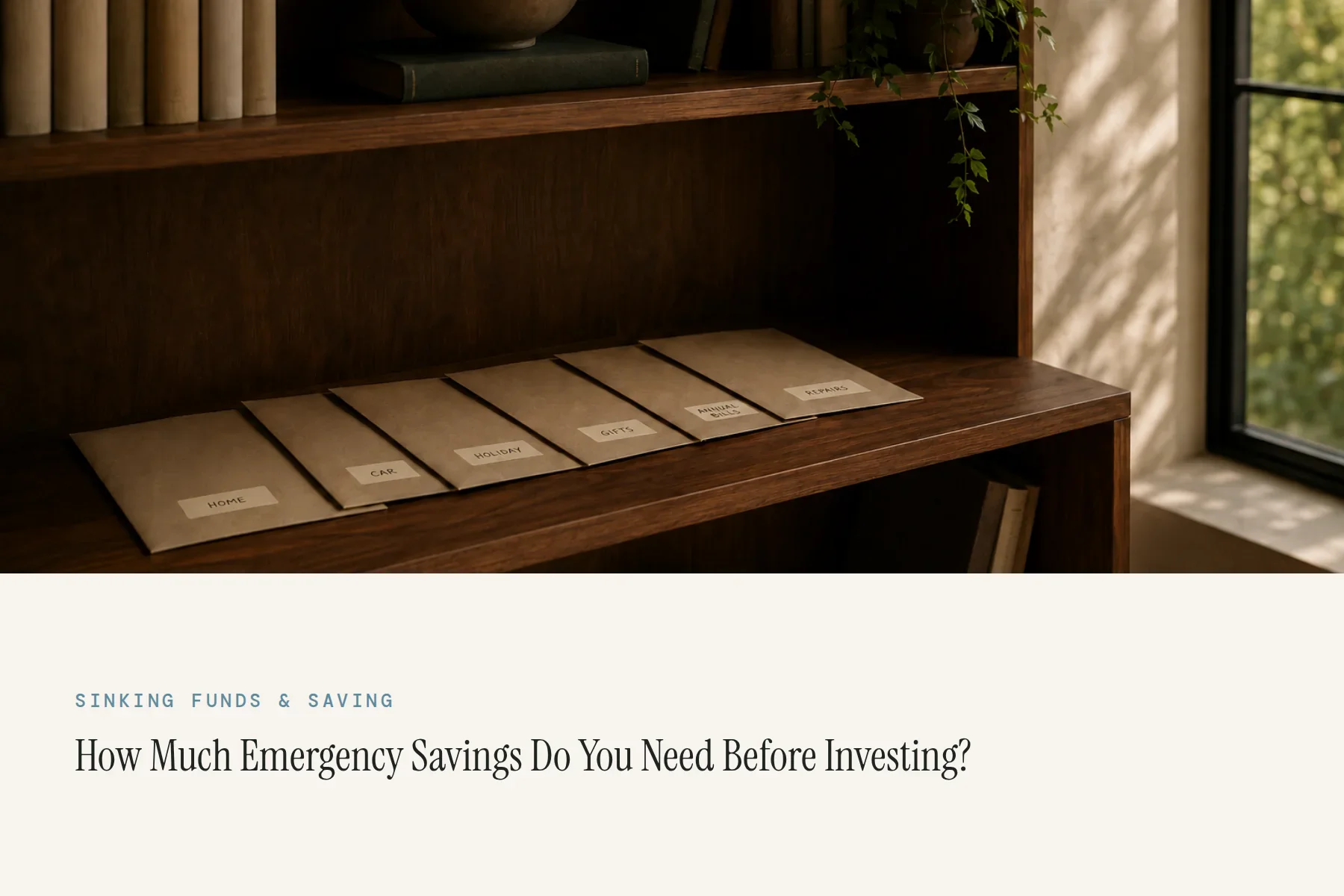

No Emergency Fund? A Practical Plan to Start From Zero
You do not need a perfect safety net to take a useful first step. Check what is affordable, follow a reserve from £0 through a real-use scenario, and learn why money assigned to bills is not emergency cash.

Solo Safety Nets: Building Financial Protection When You’re Your Only Backup (2026 Edition)
A grounded guide to building a personal financial safety net when you don’t have a second income to rely on, covering emergency savings, protection planning, and stability systems.